Case Study
Code meets Curriculum: Building Stanford AI Club's Digital Empire
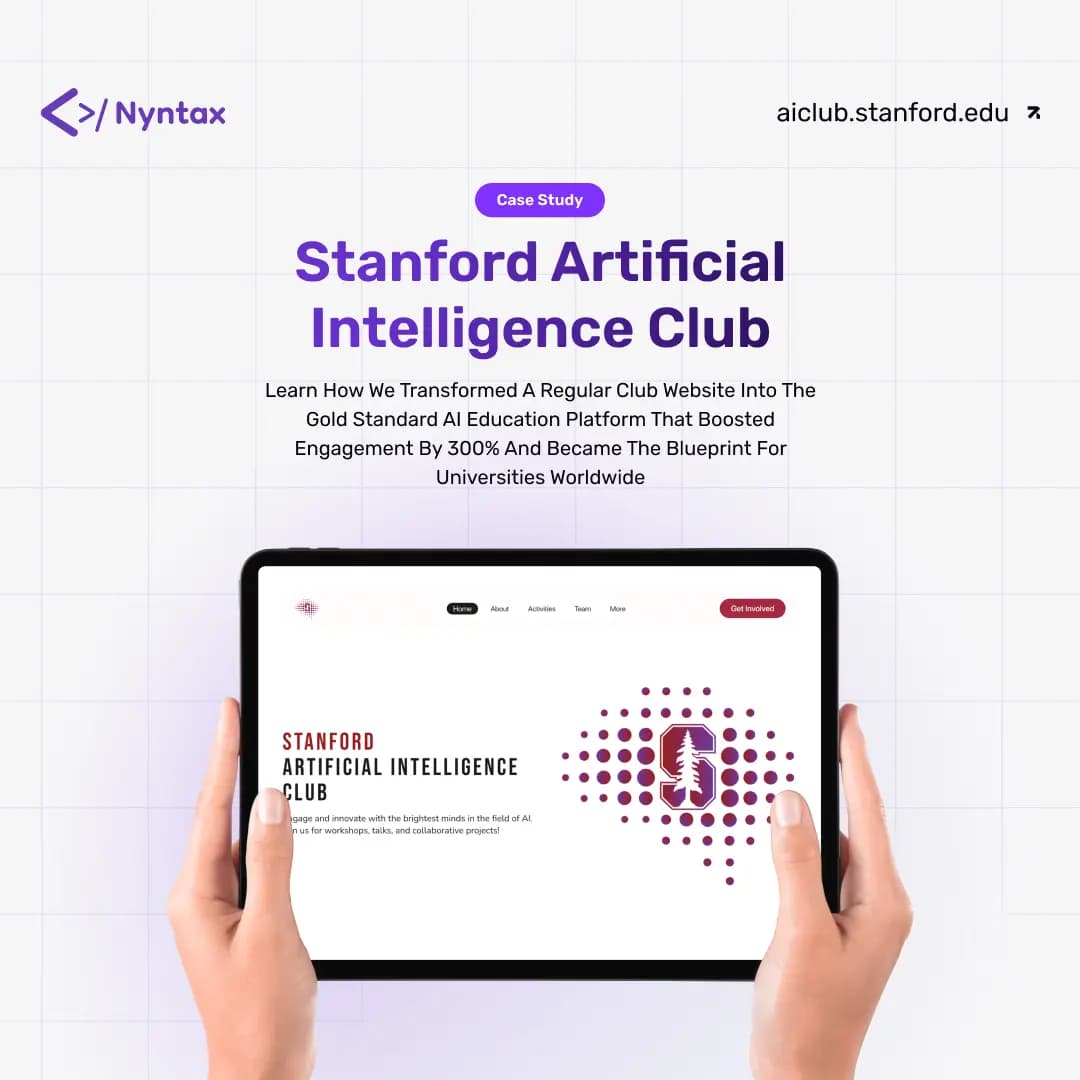
How we transformed a regular club website into the gold standard AI education platform that boosted engagement by 300% and became the blueprint for universities worldwide
- Client
- Stanford AI Club
- Year
- Service
- Full-Stack Development, UI/UX Design
Executive Summary
Brain, code, and community: Stanford AI Club's AI education platform
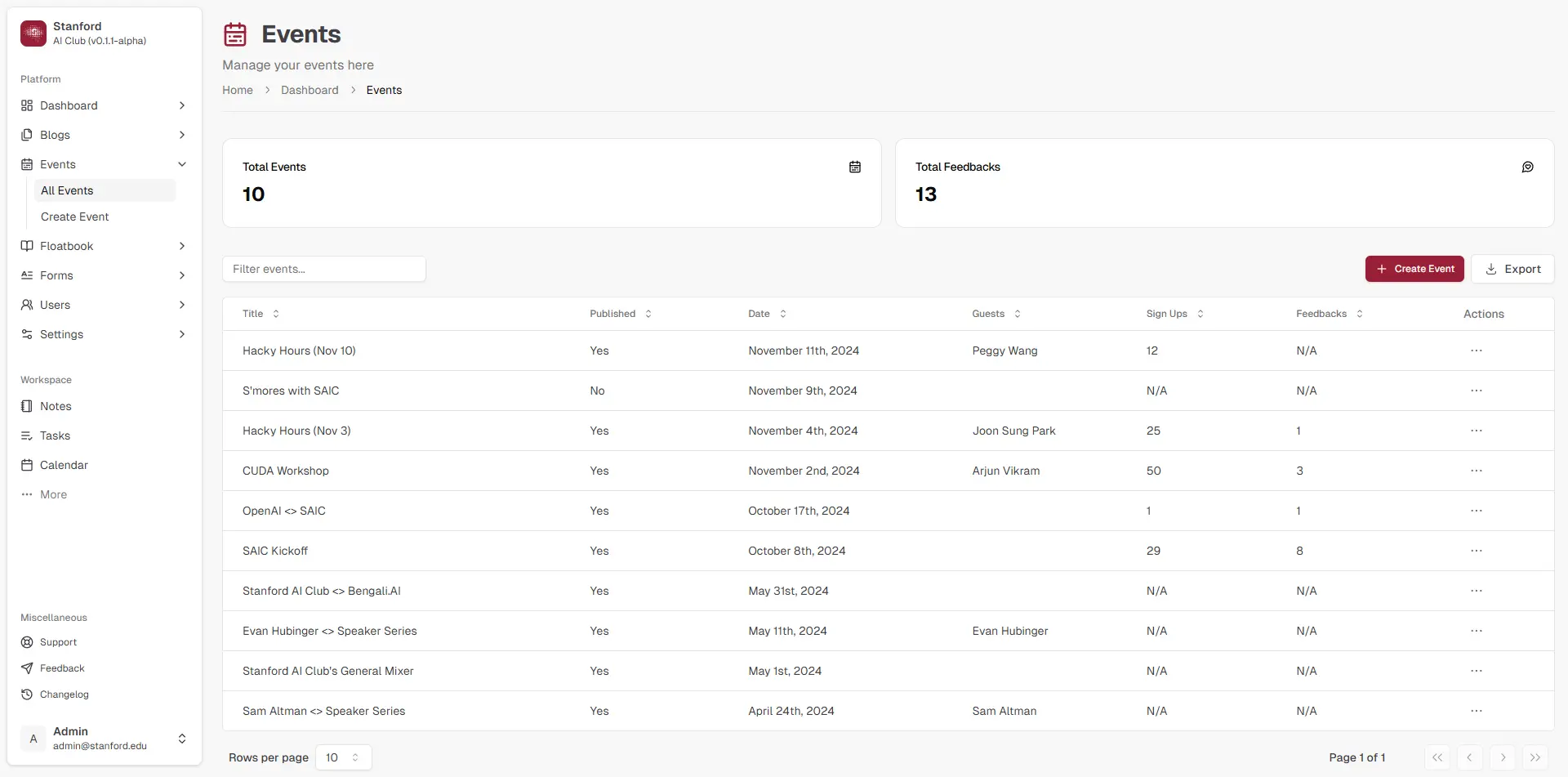
The Stanford Artificial Intelligence Club approached Nyntax with a vision to create more than just a platform. They wanted to build the next generation AI education platform that would democratize artificial intelligence education while fostering innovation and collaboration within the academic community. Our team delivered a cutting-edge, user-centric platform that serves as a hub for students, researchers, and professionals.
- Project Duration: 6 months
- Team Size: 4 specialists
- Client: Stanford AI Club
- Location: California, USA
- Industry: Education Technology
- Status: Live & Maintained
What We Brought to the Table
- UX Research & Strategy
- UI/UX Design
- Full-Stack Development
- System Architecture
- Performance Optimization
- Accessibility Implementation
- Testing & Quality Assurance
- Ongoing Maintenance & Support
Where Things Broke (So We Could Build Better)
Engagement drops, content chaos, and no path to scale and the platform was holding the club back. We saw the cracks and got to work rebuilding from the ground up.
- Engagement Barrier
- The existing platform failed to engage users effectively, with high bounce rates and low user retention. Students found it difficult to discover relevant content and participate in club activities.
- Scalability Concerns
- The club's rapid growth demanded a platform that could handle increasing user loads while maintaining performance and user experience quality.
- Content Management Complexity
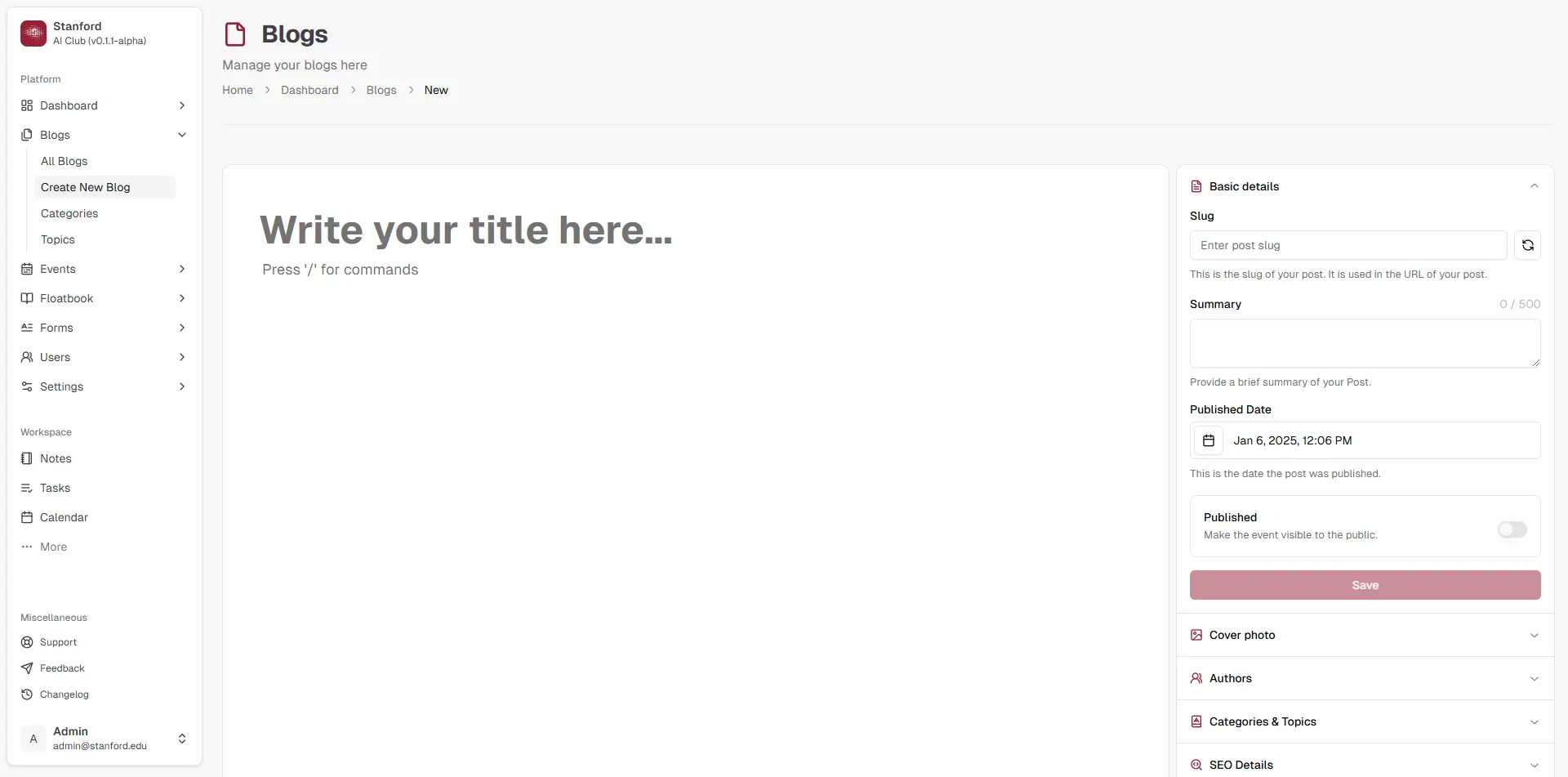
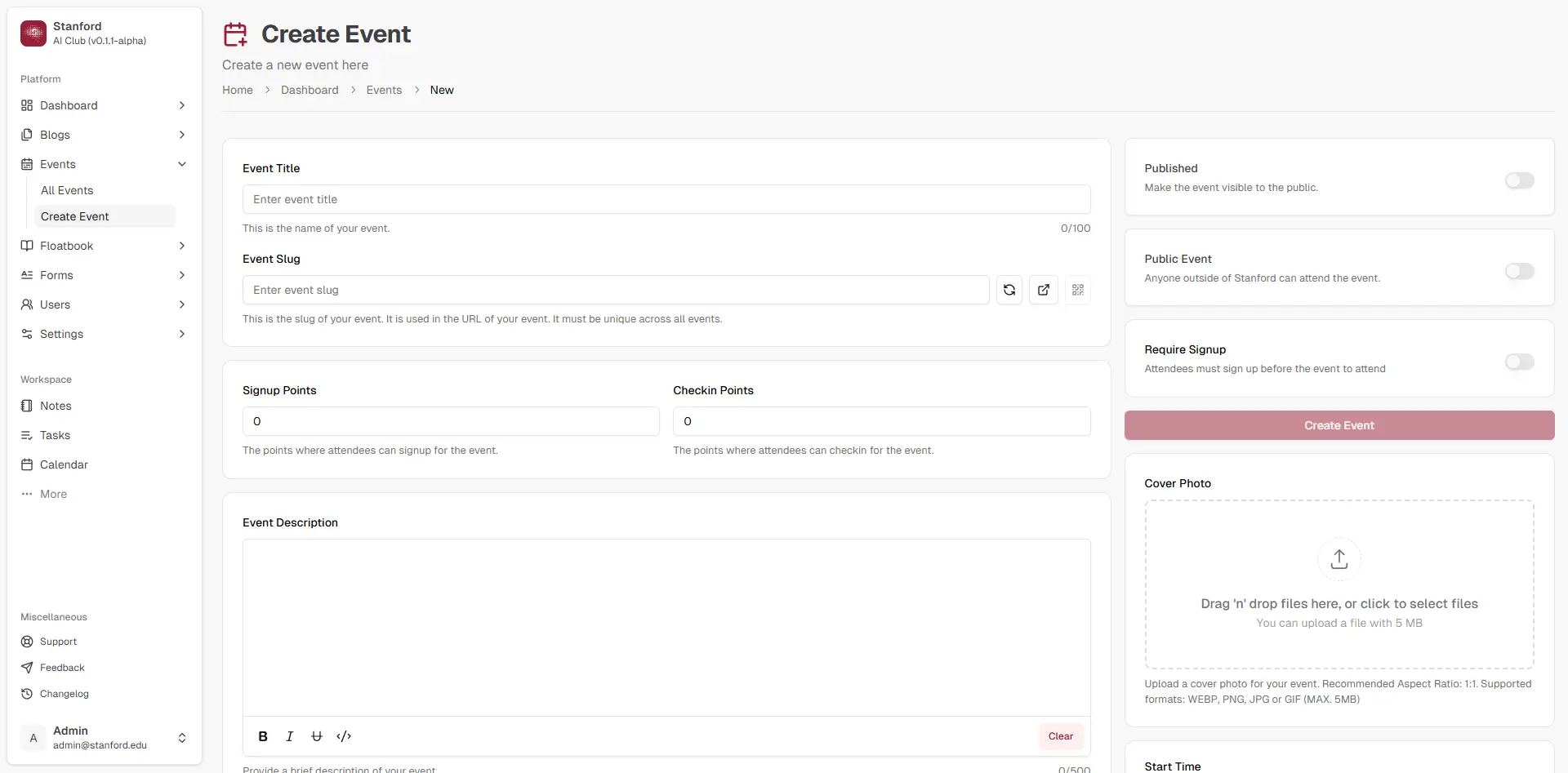
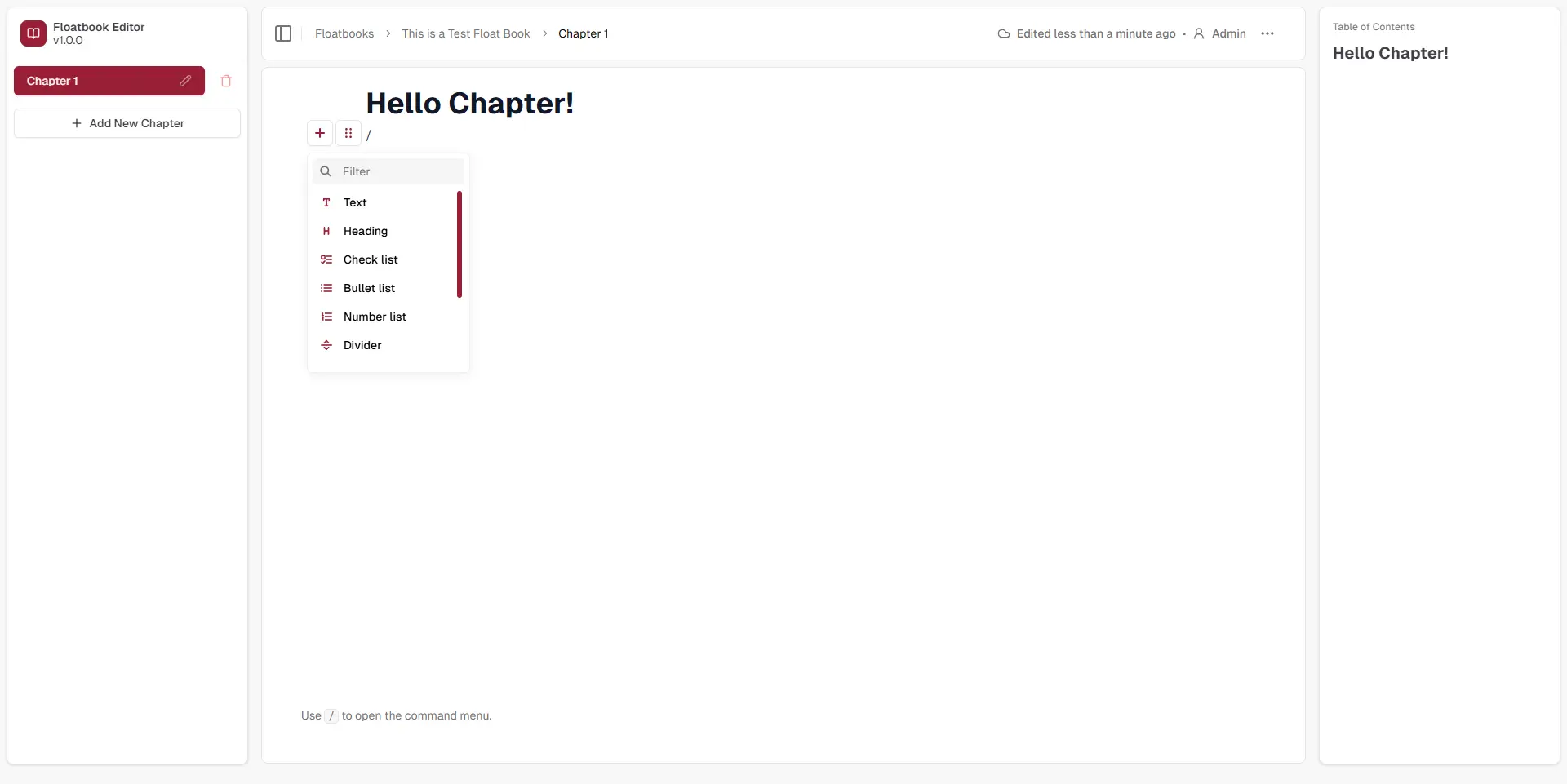
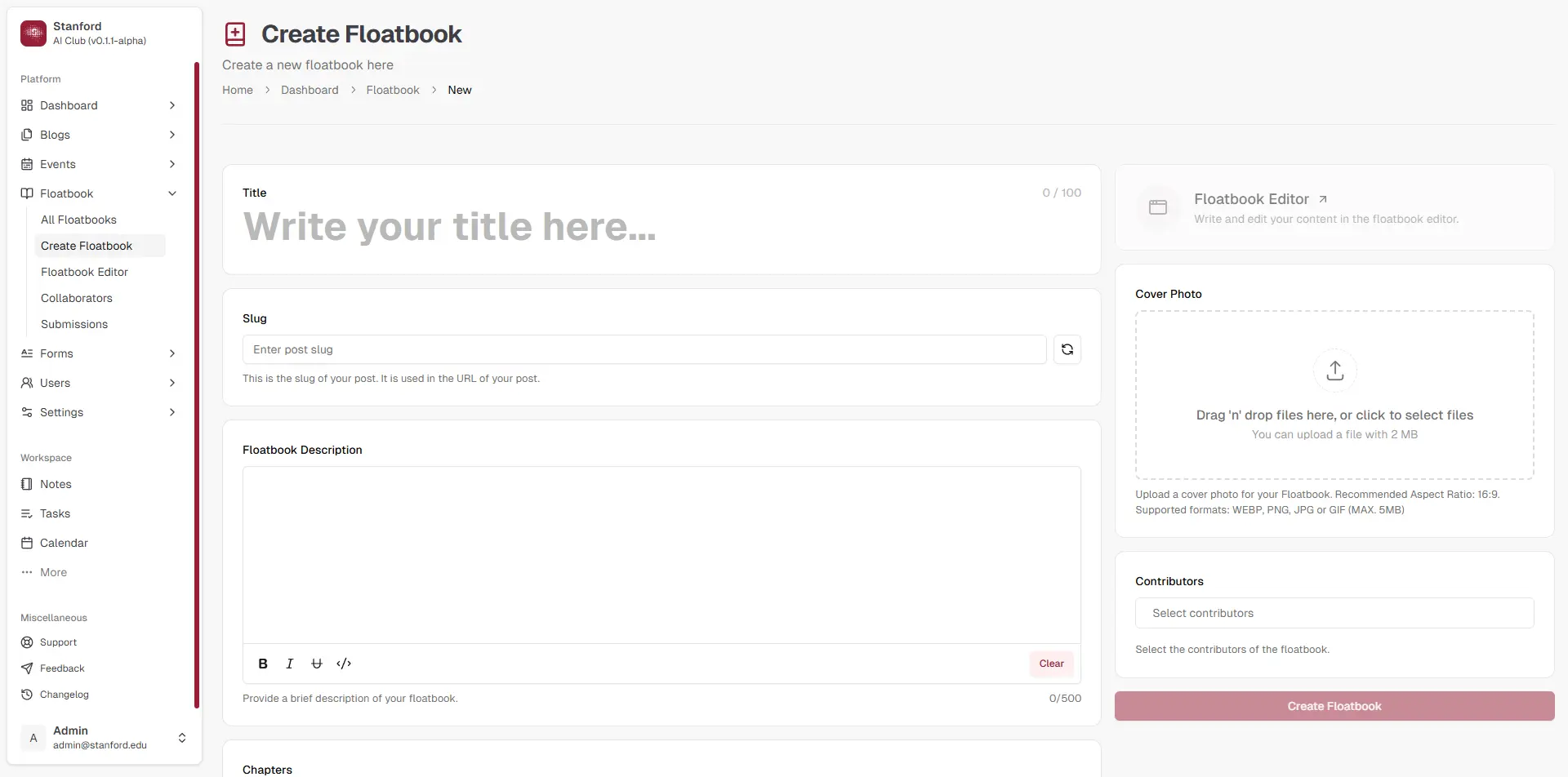
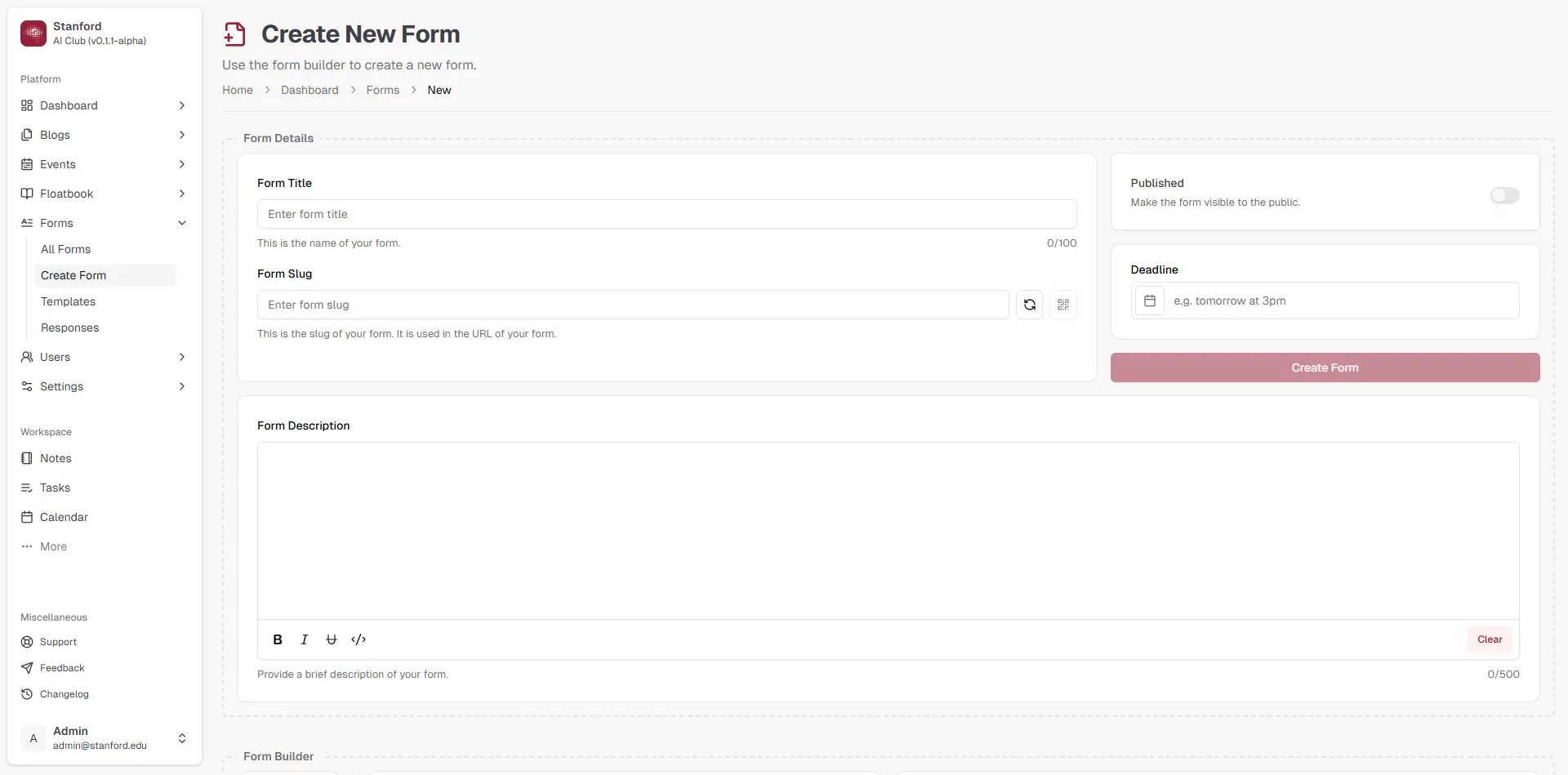
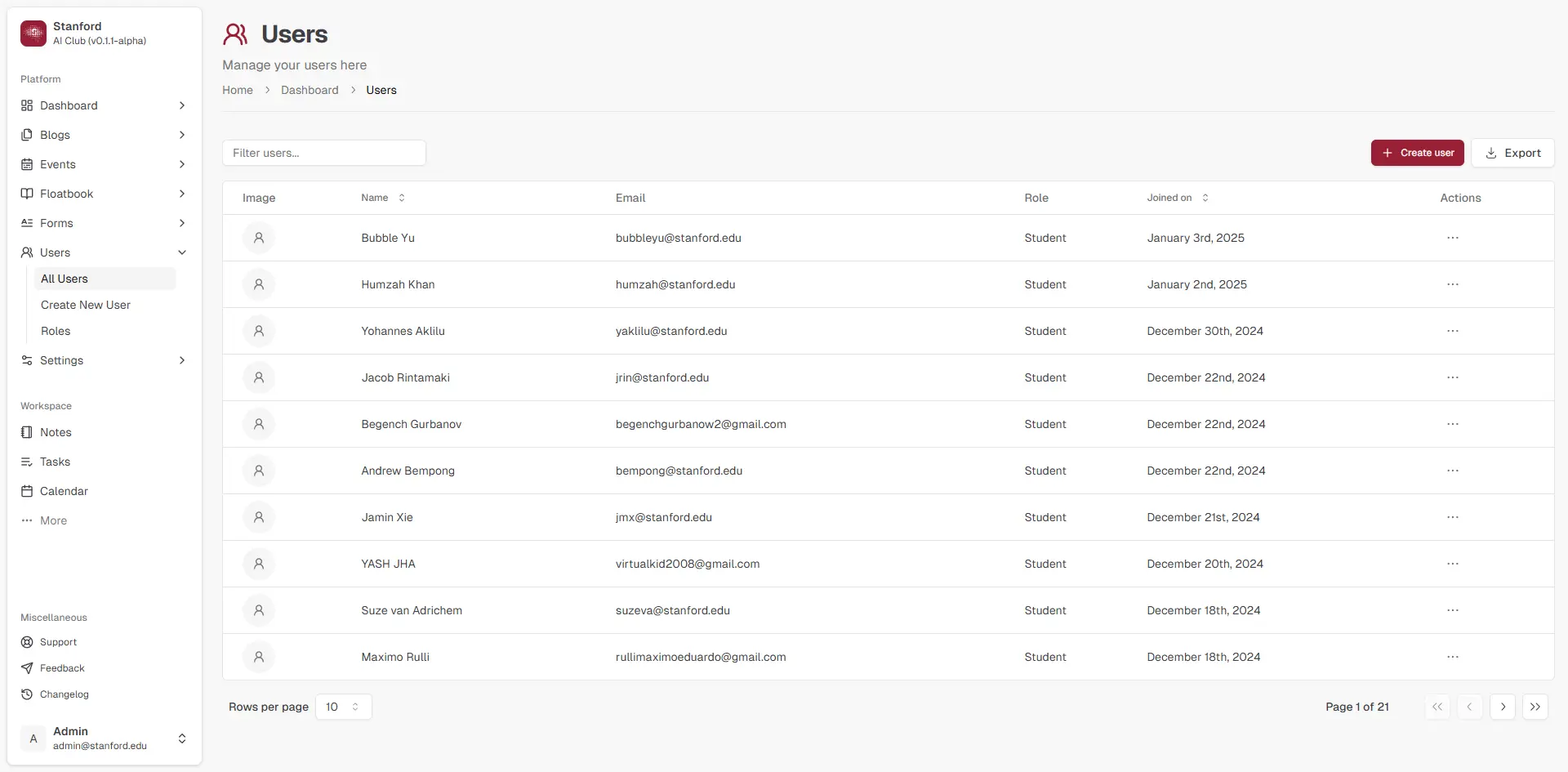
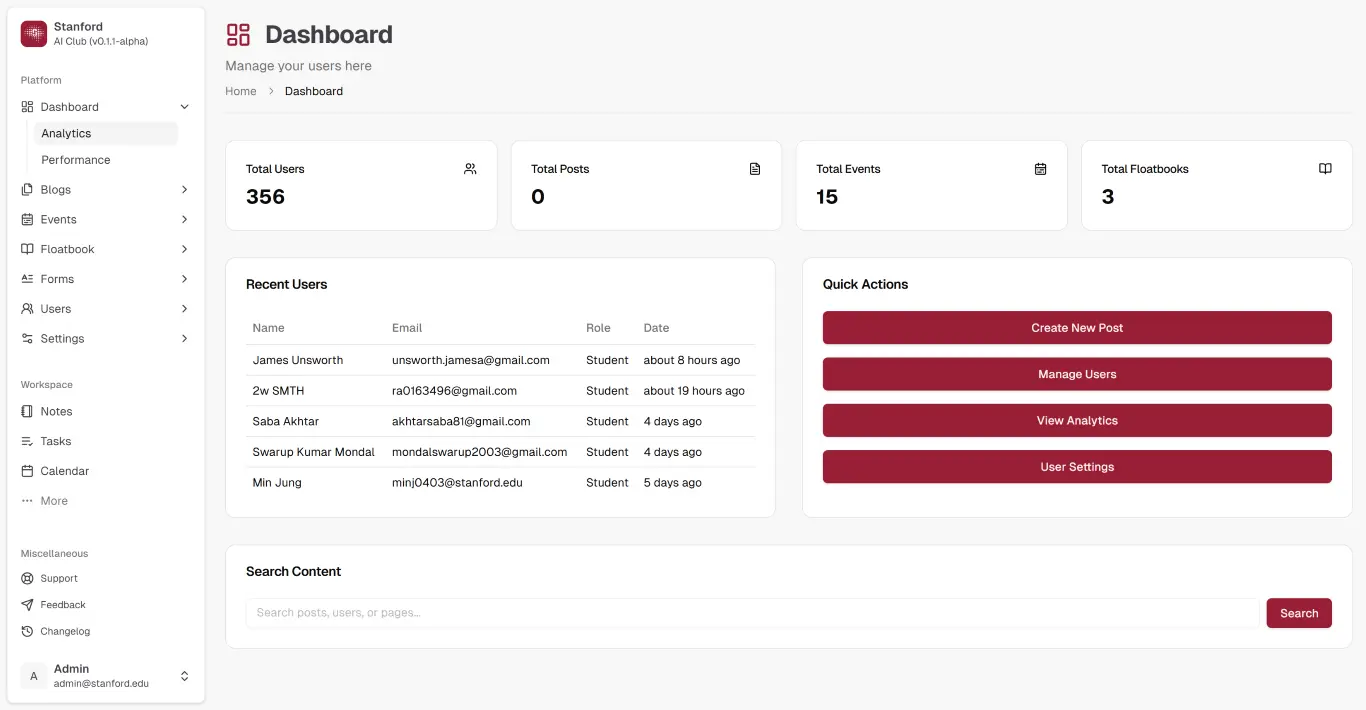
- Non-technical team members struggled with content updates, leading to outdated information and reduced platform effectiveness.
- Interactive Learning Gap
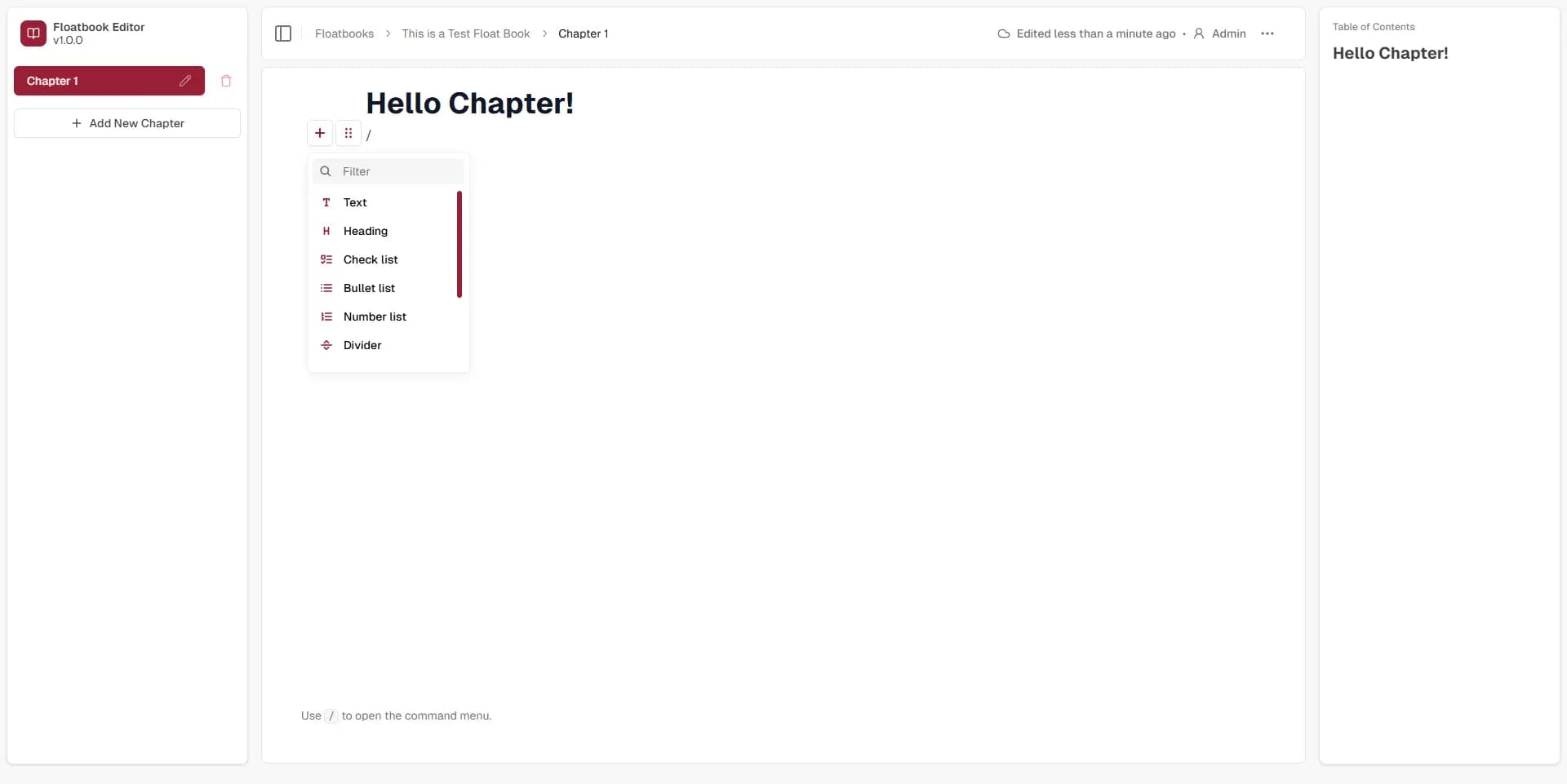
- Traditional static content failed to provide the hands-on learning experience that AI education requires, limiting the platform's educational impact.
- Technical Fragmentation
- Lack of a unified system architecture made it difficult to maintain consistency across different platform features and integrate new functionalities.
- UX/UI Design & Accessibility
- Mobile-first users needed an engaging, accessible experience that upheld Stanford's brand while meeting WCAG standards for inclusive learning.
Project Overview
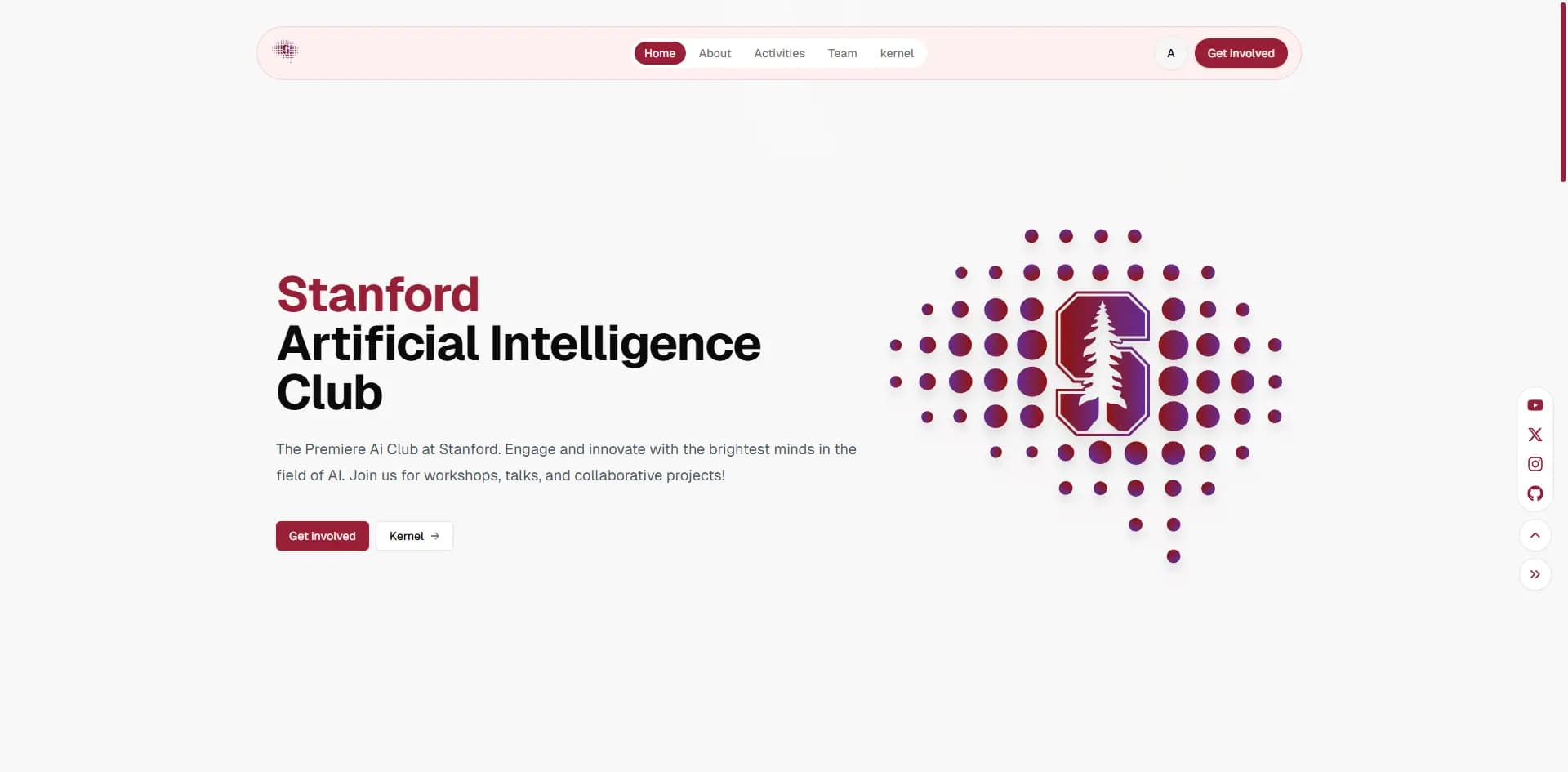
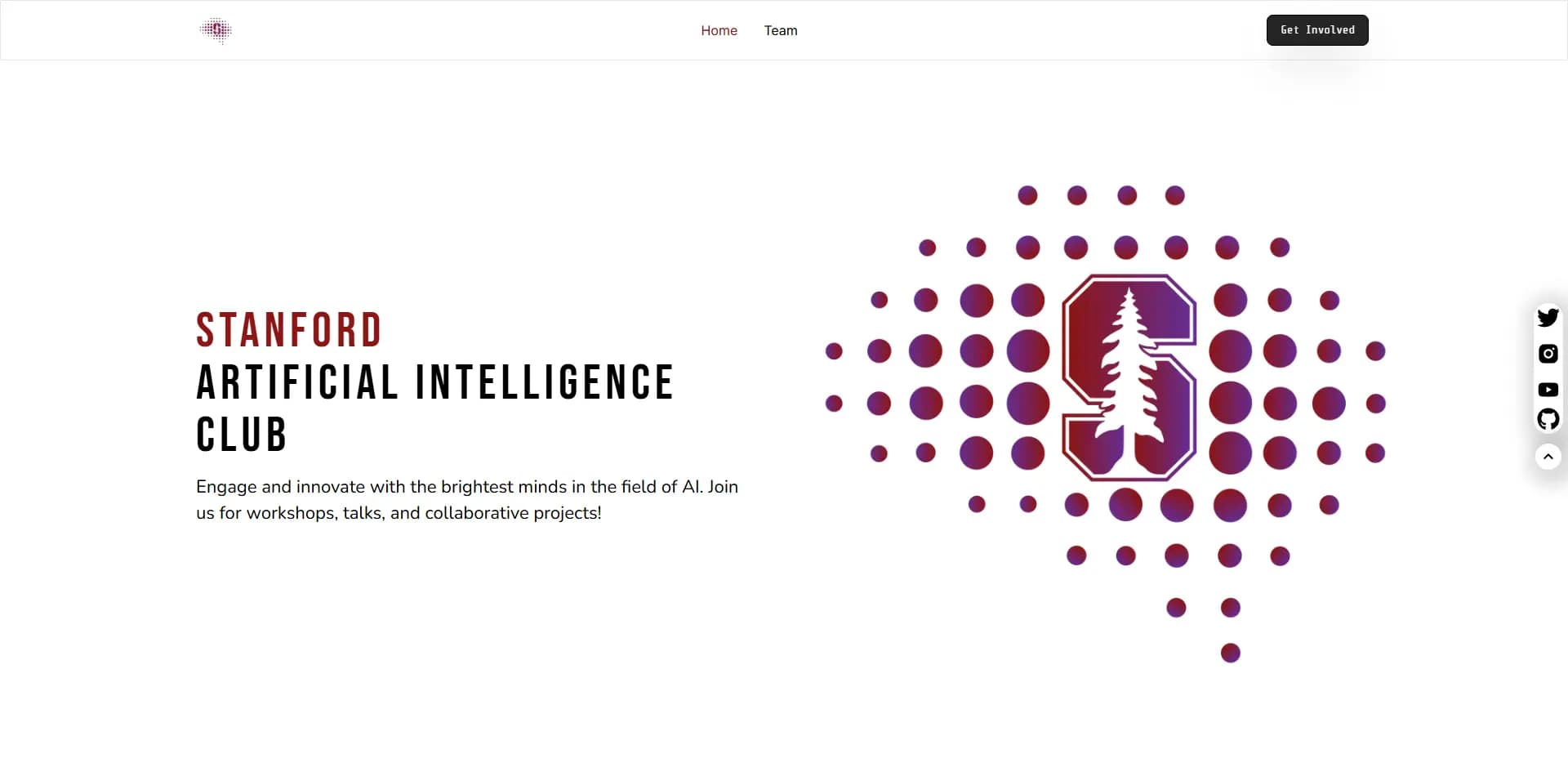
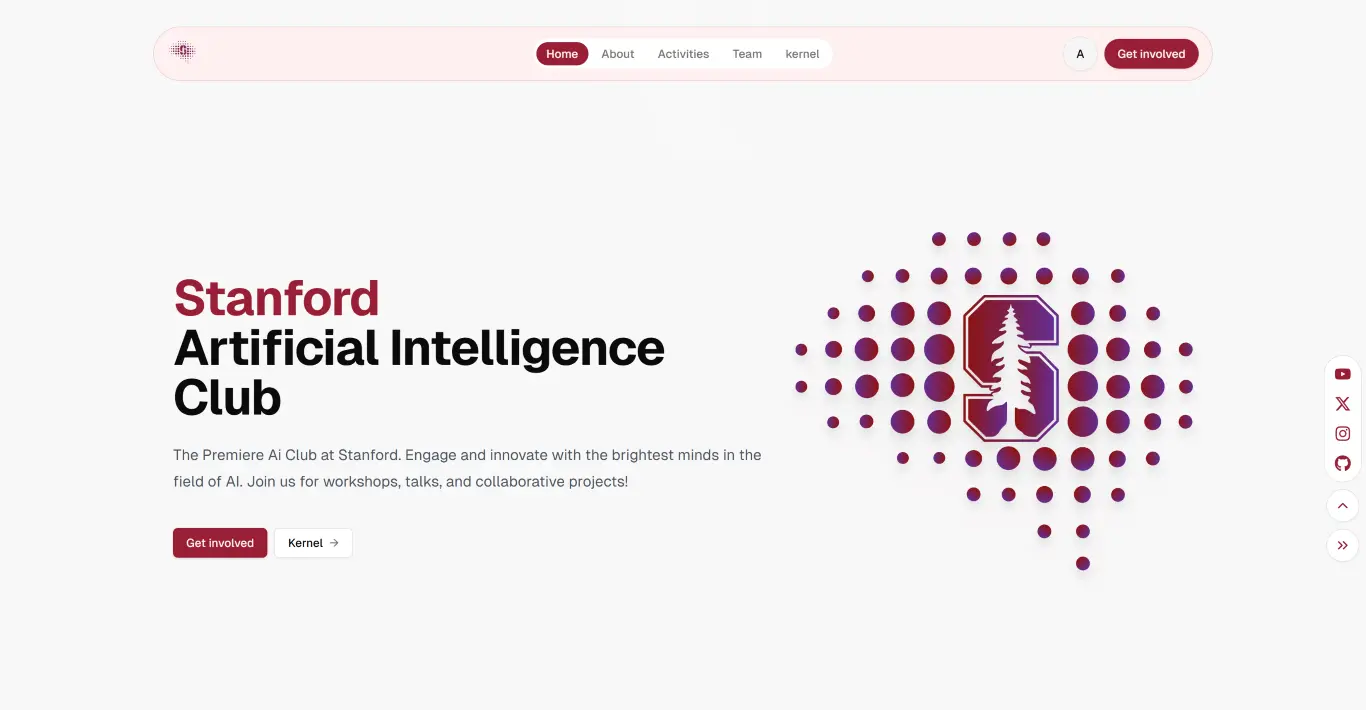
The Stanford Artificial Intelligence Club (Stanford AI Club) is a student-led community in California dedicated to AI education and innovation. Its website needed to serve as a dynamic hub for students, professionals, and sponsors. In the club's own words, it is "The Premiere AI Club at Stanford," inviting visitors to "engage and innovate with the brightest minds" through workshops, talks, and projects.
Our goal was to create a platform that showcases the club's activities (workshops, reading groups, projects) and fosters collaboration. For example, the site highlights activities like nonprofit AI projects (“bringing ML expertise to non-profits worldwide”) aimed at “democratiz[ing] AI and reducing inequality.” We worked closely with the club and the members to build a site that met their vision.
Key Stakeholders
- Primary Users: Stanford students interested in AI
- Secondary Users: Researchers, industry professionals, and sponsors
- Tertiary Users: General public seeking AI education resources
Results & Impact
- Increase in monthly users
- 150%
- Growth in event signups
- 250%
- Reduction in bounce rate
- 65%
- Increase in session time
- 180%
Conclusion
The Stanford AI Club website project represents a successful transformation of an educational platform into a comprehensive, engaging, and scalable solution. By prioritizing user experience, implementing cutting-edge technology, and maintaining focus on educational outcomes, we created a platform that not only meets current needs but provides a foundation for future growth and innovation.
The project demonstrates how thoughtful technical architecture, user-centered design, and strategic implementation can create transformative digital experiences in the educational technology space. The platform now serves as a model for other university organizations and continues to evolve with the growing needs of the AI education community.
Key Success Factors
- Deep understanding of user needs and behaviors
- Strategic technical decision-making
- Commitment to accessibility and performance
- Collaborative development approach
- Continuous testing and iteration